
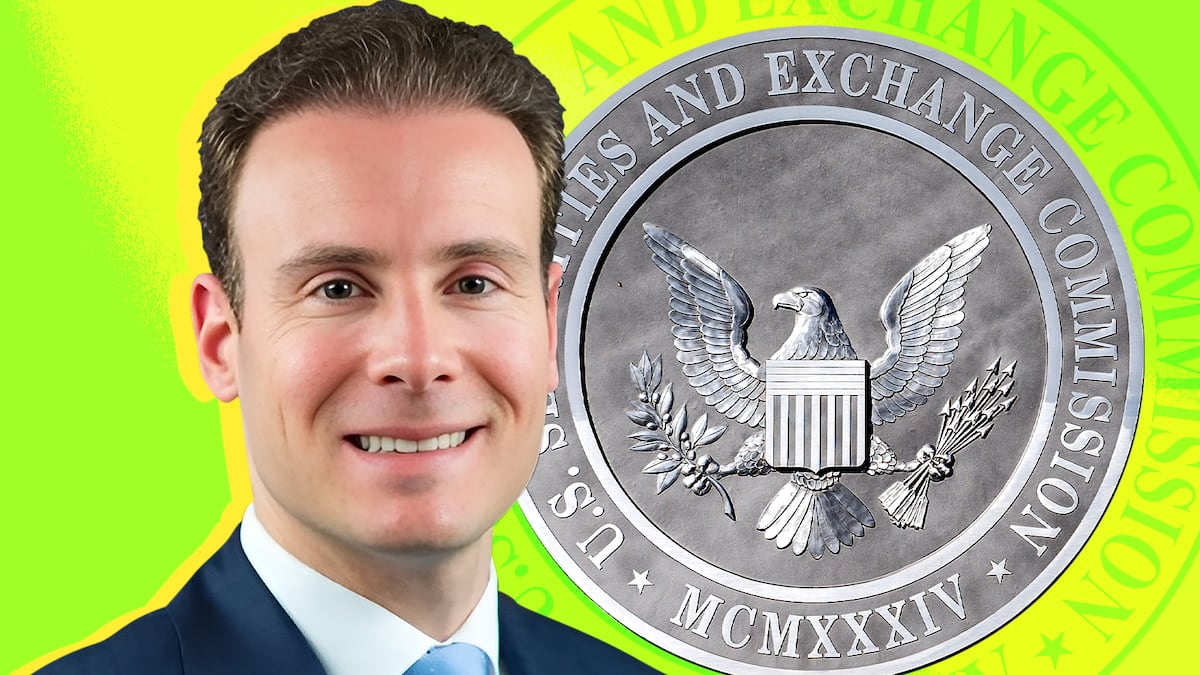
Trump Names Mike Selig as CFTC Chair Nominee
President Donald Trump has officially nominated Mike Selig, a well-known cryptocurrency regulator, to serve as the next Chair of the Commodity Futures Trading Commission (CFTC), according to White House crypto czar David Sacks. The announcement, made early Saturday on X (formerly Twitter), marks a pivotal moment for the intersection of digital assets and U.S. financial regulation.
Sacks praised Selig as “deeply knowledgeable about financial markets and passionate about modernizing our regulatory approach in order to maintain America’s competitiveness in the digital asset era.”
This decision follows growing political turbulence surrounding Trump’s previous pick, Brian Quintenz, whose nomination collapsed after facing resistance from high-profile MAGA donors Tyler and Cameron Winklevoss, founders of the Gemini cryptocurrency exchange.
Selig’s Background and the CFTC’s Expanding Role
If confirmed by the Senate, Selig will lead the CFTC at a time when the agency’s influence over the nearly $4 trillion crypto market is expanding rapidly. Lawmakers are currently debating bipartisan legislation that could grant the CFTC explicit authority to regulate major digital assets like Bitcoin (BTC) and Ethereum (ETH)—a move that could reshape the American crypto landscape.
The CFTC, already responsible for overseeing trillions in derivatives and commodities trading—from oil futures to complex financial products—is expected to play a major role in setting the rules for crypto spot markets as well.
Selig’s experience positions him well for the task. A former law clerk at the CFTC, he currently serves as chief counsel for the SEC’s crypto task force and senior advisor to SEC Chair Paul Atkins. Before his public service, Selig was a partner at Willkie Farr & Gallagher, a major law firm with a strong financial regulatory practice.
Internal White House Politics and the Winklevoss Rift
Selig’s nomination followed weeks of behind-the-scenes tension in the Trump administration. The earlier pick, Brian Quintenz, appeared headed for a smooth confirmation until the Winklevoss twins voiced concerns about whether Quintenz truly supported Trump’s “America First” crypto agenda. Their influence, coupled with uncertainty over CFTC leadership, has slowed progress on the broader crypto regulatory reform bill—a top priority for both the Trump administration and the digital asset industry.
Currently, the CFTC is being led by acting Chair Caroline Pham, who has announced she will step down once her successor is confirmed.
How Selig’s Appointment Could Shape U.S. Crypto Policy
Selig’s nomination sends a clear message that Trump’s second administration is intent on integrating digital assets into mainstream finance. His background at both the SEC and CFTC suggests a push toward regulatory clarity and innovation, especially around decentralized finance (DeFi) and stablecoins.
Should Selig be confirmed, the CFTC could emerge as the primary federal regulator for crypto, potentially sidelining the SEC’s more enforcement-driven approach. This would align with Trump’s campaign rhetoric emphasizing crypto-friendly policies to keep innovation—and capital—within the United States.
The Political Implications of Selig’s Nomination
From a political perspective, Selig’s nomination underscores the growing importance of cryptocurrency as a campaign and policy issue in U.S. politics. Trump’s pivot toward pro-crypto regulation could energize younger voters, libertarians, and tech entrepreneurs—groups that have shown enthusiasm for Bitcoin and decentralized technologies.
At the same time, the move could intensify partisan divisions on financial oversight. Democrats, many of whom prefer tighter crypto regulation, may frame Selig’s selection as another instance of Trump favoring industry insiders. Republicans, conversely, are likely to tout this as a step toward economic modernization and reduced bureaucratic overreach.
As the 2026 midterms approach, crypto policy could emerge as one of the defining economic battlegrounds in Washington. With Trump at the helm and Selig poised to lead the CFTC, the U.S. may be entering a new era of digital asset governance—one that intertwines innovation, regulation, and politics like never before.