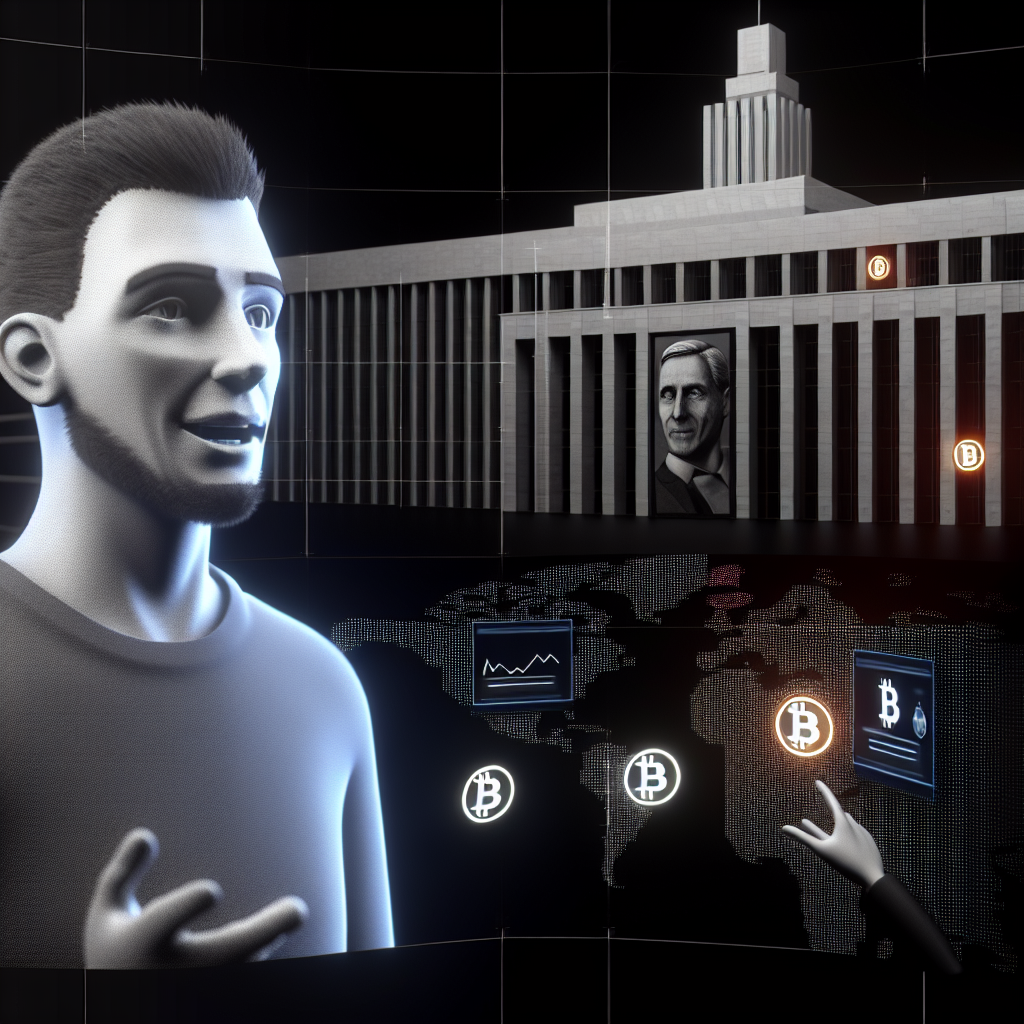

HYPE Token Skyrockets Overnight—But It Wasn’t a Whale
Crypto traders had a wild ride when Hyperliquid’s HYPE token suddenly soared to nearly $100 on the decentralized exchange Lighter. The culprit? Not a deep-pocketed whale, but a rogue trading bot gone haywire. The automated glitch sent shockwaves through the market, leaving traders both stunned and skeptical about how secure and transparent decentralized exchanges (DEXs) really are.
While many assumed a major player was flexing their financial muscle, it quickly became clear that this was just a case of faulty code and not market manipulation. This high-profile incident put a glaring spotlight on one of crypto’s biggest headaches: how do you ensure fairness and usability when anyone can code their own trading bots?
Transparency and Usability: Still a Work in Progress for DEXs
Unlike traditional exchanges, DEXs like Lighter pride themselves on being open, permissionless, and resistant to centralized control. But as this incident shows, with great freedom comes great responsibility. Automated trading bots can create flash spikes and market chaos with a single line of bad code, leaving everyday users at the mercy of algorithms.
This event has reignited concerns about the challenges of building reliable, user-friendly platforms in the decentralized finance (DeFi) space. If the tech isn’t ready for prime time, critics argue, how can these platforms ever offer the kind of investor protection seen in traditional finance?
Regulators Are Watching—And They’re Ready to Act
Incidents like the HYPE token surge are catching the attention of regulators worldwide. Agencies like the U.S. Securities and Exchange Commission (SEC) and Commodity Futures Trading Commission (CFTC) have already ramped up scrutiny of crypto platforms, arguing that the lack of oversight could expose investors to unnecessary risks.
With glitches becoming more frequent, officials at the U.S. Treasury are pushing for tighter rules that could force DeFi projects to implement more robust safeguards and transparency measures. Lawmakers on Capitol Hill are also seizing the moment, with some calling for new legislation that would bring DEXs under the same regulatory umbrella as traditional exchanges.
Is DeFi at a Regulatory Crossroads?
The HYPE token fiasco may be just the tip of the iceberg as decentralized finance becomes a bigger player in global markets. The political stakes are high—some policymakers see DeFi as a threat to financial stability, while others champion its potential to democratize access to finance. Either way, the bot glitch has given regulators fresh ammunition in the ongoing debate over how to rein in the wild west of crypto trading.
As lawmakers and agencies weigh their next moves, the crypto community faces a stark choice: embrace more oversight and risk losing the decentralized edge, or resist regulation and risk more chaos. For now, traders should buckle up—because the intersection of technology, politics, and finance is only getting more turbulent.