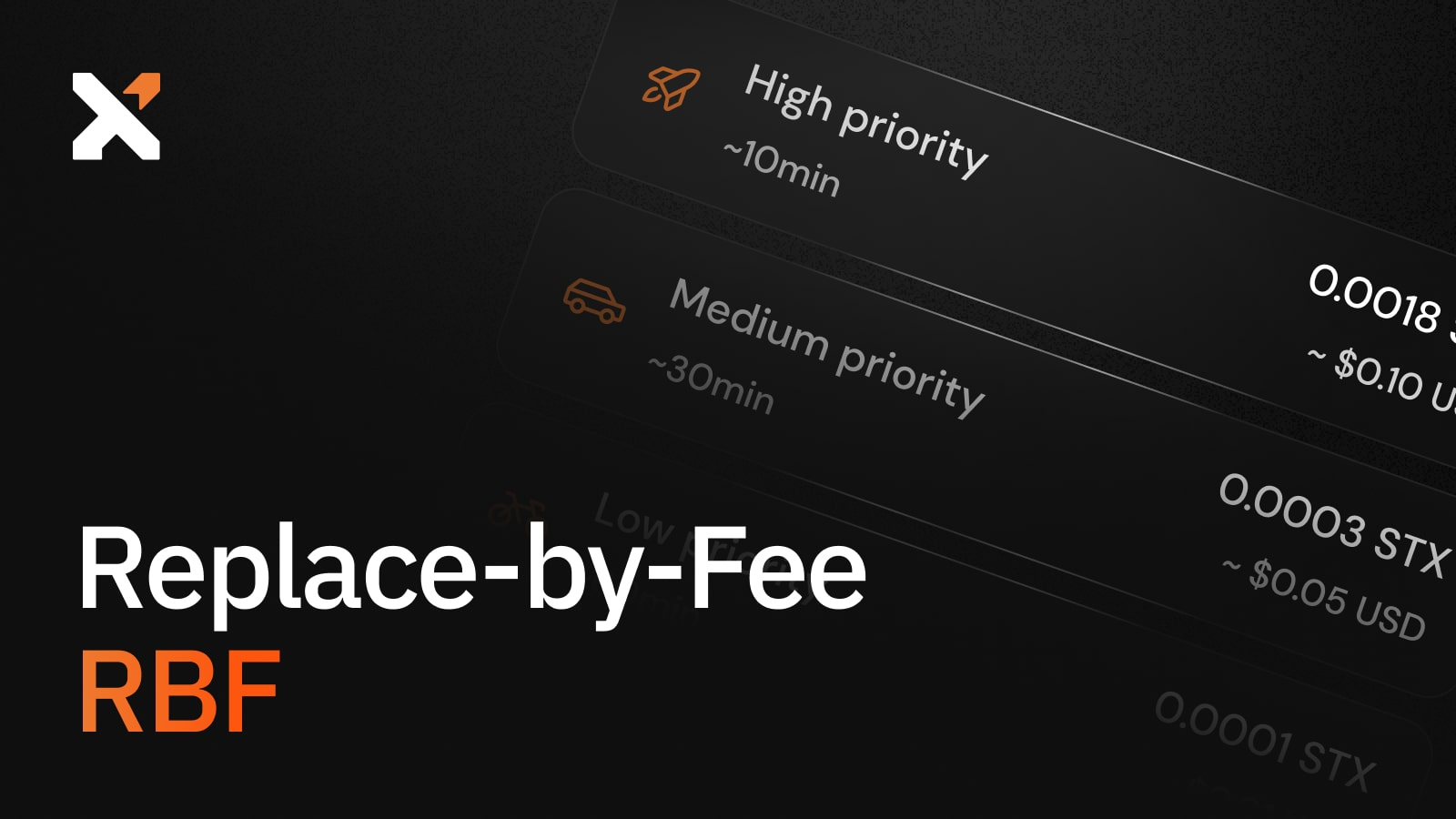
What is Replace-By-Fee (RBF) and when to use it
Replace-By-Fee (RBF) is an opt-in policy that lets you replace an unconfirmed Bitcoin transaction with a new transaction that pays a higher fee so miners are more likely to include it in a block. Opt-in RBF transactions are signaled at creation so wallets and nodes know the sender intends the transaction to be replaceable until it confirms. Use RBF when your transaction is stuck due to too-low fees and you control the sending wallet (you need the original transaction to be in your wallet to bump it). Bitcoin Core
Quick checklist — can you RBF this transaction right now?
- Is the transaction unconfirmed? (RBF only applies to pending transactions.)
- Did you or your wallet signal opt-in RBF when broadcasting? Many modern wallets default to enabling opt-in RBF, but some wallets and custodial services do not. If the original tx did not signal RBF, you cannot use safe opt-in RBF to replace it — you must use an alternative like CPFP or (risky/unsuitable for many) double-spend.
How to check whether a transaction signals opt-in RBF
- In Bitcoin Core you can inspect the mempool or wallet entry.
getmempoolentry <txid>will show whether a node flags the tx as replaceable. - Many wallets show a “replaceable” flag in the transaction details (e.g., Electrum marks RBF-enabled transactions).
If your node or wallet shows the transaction as non-replaceable, don’t try to force an RBF replacement — use CPFP or contact your wallet provider.
Method A — Use your wallet’s built-in “bump fee / RBF” feature (recommended)
Most full-node and desktop wallets provide a bump fee or “increase fee” command that creates and broadcasts a replacement transaction for you.
Bitcoin Core (CLI example):bitcoin-cli bumpfee "<txid>"
This RPC will create a replacement transaction that includes the same inputs and pays an increased fee; it either reduces the change output or adds inputs to cover the extra fee. The original tx must be opt-in RBF and in your wallet.
Electrum (desktop/mobile):
Enable RBF: Tools → Preferences → Fees → Enable Replace-By-Fee (if not enabled by default). Right-click the pending transaction in History → Details → “Increase fee” or “Bump fee” (UI labels vary by version). Electrum will craft and broadcast the replacement with a higher fee. bitcoinelectrum.com
Steps to follow when using your wallet’s feature:
- Estimate a target fee rate (sat/vByte) for desired confirmation time using a fee estimate service built into your wallet or a mempool fee tracker.
- Use the wallet’s bump/increase fee function — it will build a replacement transaction that pays the higher fee.
- Confirm the replacement txid and monitor mempool acceptance and confirmation. If nodes you’re connected to don’t accept the replacement (very rare for properly signaled RBF and greater fees), rebroadcast from another node/wallet. Bitcoin Optech
Method B — Manually craft a replacement transaction (advanced)
If your wallet lacks a bump-fee tool but you control the keys, you can create a replacement transaction manually:
- Build a new transaction spending the same inputs as the original (same outputs if you want to follow opt-in RBF rules).
- Set a higher absolute fee and a higher feerate than the original (BIP-125 and node policies require both higher feerate and, in practice, a higher total fee in many implementations).
- Broadcast the raw replacement to nodes that follow opt-in RBF rules.
This is advanced and error prone; use wallet tools when available. b10c’s blog+1
If RBF is not available — use CPFP (Child Pays For Parent)
If the original transaction didn’t signal RBF (or you can’t replace it), a common alternative is Child Pays For Parent (CPFP). Create a new transaction that spends an output of the stuck transaction and attach a high fee to the child tx. Miners, looking at combined ancestor feerate, will include both parent and child together if the combined feerate is attractive. CPFP requires you control an output of the stuck transaction that you can spend. Bitcoin Optech
Practical fee tips and fee estimation
- Fees are paid per virtual byte (sat/vByte). Aim for the mempool-recommended fee for your desired confirmation time (1–3 blocks vs. 6+ blocks). Many wallets surface current fee estimates; external trackers (mempool.space, Bitcoin Core fee estimates) also help.
- RBF replacement must sufficiently increase miner revenue: networks/nodes enforce minimum replacement policies (see BIP-125 and node implementations). A tiny increase may be rejected by relays/miners. Bitcoin Optech+1
Watching the replacement take effect
After broadcasting the replacement transaction:
- Watch the mempool entry for the new txid (
getmempoolentry <newtxid>or your wallet history). - If your replacement is accepted by peers, the original will be evicted from mempools that accept RBF replacements (nodes that follow BIP-125 behavior).
- If the replacement is not accepted widely, try rebroadcasting or use a different fee amount. Note: some nodes implement slightly different RBF rules; that’s normal. Bitcoin Wiki+1
Common pitfalls and cautions
- Custodial wallets and exchanges often do not allow RBF or manual replacements. Check the service’s support docs before attempting anything.
- Replacing a transaction that spends from other parties (multi-party transaction) may break assumptions and cause issues; BIP-125 has rules to protect against some problems, but be cautious.
- Trying to “double-spend” without proper opt-in signals or without following BIP-125 can lead to rejections and unpredictable behavior. Prefer wallet features or CPFP. b10c’s blog+1
Example quick workflow (Electrum)
- Notice tx is unconfirmed in History and fee looks low.
- Right-click tx → Details → Increase fee (or Tools → Preferences → Fees → enable RBF first).
- Pick target fee (wallet suggests current mempool fee). Confirm. Wallet broadcasts replacement tx.
- Verify new tx shows in History and monitor for confirmation. bitcoinelectrum.com
How this technical feature may affect the US political landscape
RBF is a small but notable part of Bitcoin’s usability and fee market dynamics. Easier fee bumping improves user experience and lowers the friction of using BTC for payments, which can influence adoption rates. Higher adoption and smoother UX make it easier for proponents to argue for broader acceptance and integration into existing financial services. Conversely, critics who focus on regulatory concerns (money laundering, consumer protection) may cite transaction-level behaviors and custody practices when pushing for tighter oversight of wallets and exchanges.
On a policy level, features that make Bitcoin more user-friendly strengthen arguments for treating crypto as a mature payment system rather than a fringe speculative asset. That can shift legislative focus from bans or heavy restrictions toward targeted regulation — for example, rules around custodial transparency, required support for fee-management features in consumer wallets, or consumer disclosures about replaceability and confirmation risk. Expect debates about consumer protections and transparency in wallet UX to appear in hearings and regulatory guidance as on-chain usability improves.
Final checklist before you act
If using custodial services, check their policies first — you may be unable to RBF from a custodial account.
Confirm tx is unconfirmed and opt-in RBF is signaled (or plan CPFP).
Use your wallet’s bump fee / increase fee feature if available.
Choose an appropriate sat/vByte based on mempool conditions.
Monitor mempool and consider rebroadcasting or contacting wallet support if problems arise.